Serving as a dockside FLOATING MUSEUM, the ships offer immersive educational experiences for the general public, school groups, and organizations. Guests will learn about early navigation, maritime life, and the incredible voyages that shaped world history.
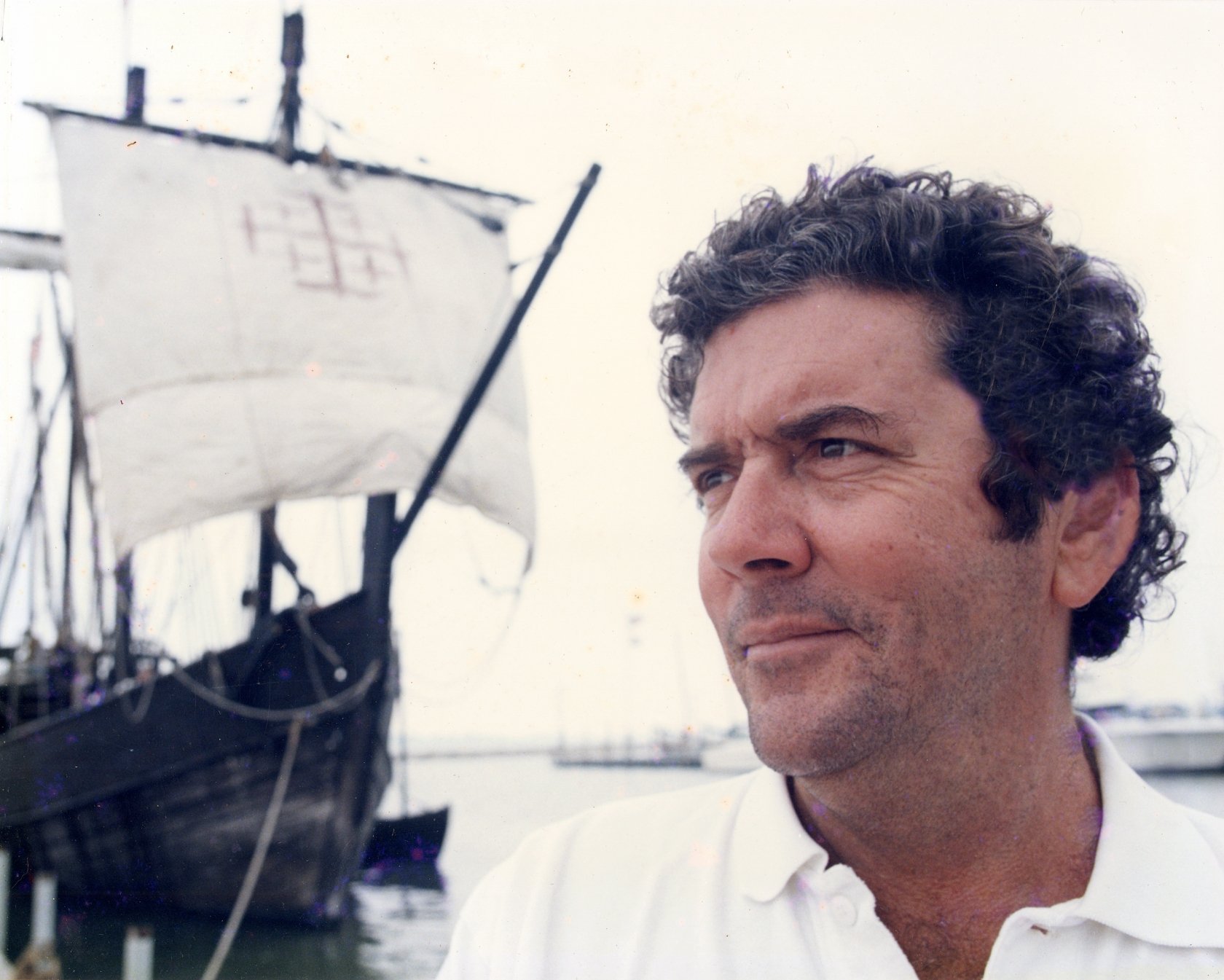
The Niña replica holds special historical significance. Built completely by hand by 8th-generation Portuguese shipwrights, the vessel was constructed using only traditional tools identical to those used over 525 years ago. Archaeology Magazine praised the ship, calling it “the most historically correct Columbus replica ever built.” Together the Ships have logged over 250,000 miles and visited over 1000 Ports around the United States, Canada, Caribbean and Central America.
Port Schedule 2026
VISITING INFORMATION
Location: Ross Landing City Park, Chattanooga, TN
Parking address: 190 Riverfront Parkway, Chattanooga, TN, 37402
Dates in Port : March 6th – June 7th 2026
(Note: hazardous weather can affect schedule.)
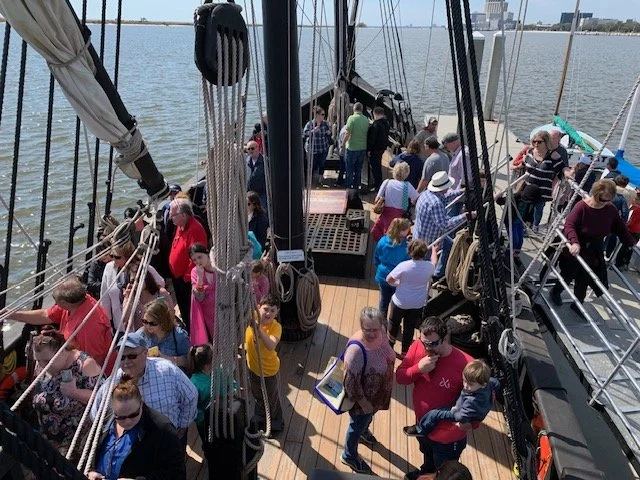
Self-Guided Tours (No Reservation Required)
Wednesday – Friday | 3:00 PM – 5:00 PM
Saturday & Sunday | 11:00 AM – 5:00 PM
Crew onboard & scavenger hunt for all ages.
General admission:
Adults: $10 | Seniors: $9 (60+)| Children (5–18) & Military: $8
Ages four and under are free.
Payment Methods:
• Cash, All major credit cards, Apple Pay, Cash App.
• Checks accepted ONLY from SCHOOLS, payable to “Sanger Ships LLC”.
All tickets are sold at ships location. No online sales. Price includes both ships.
Group Guided Tours (Reservation Required)
Monday – Friday | 9:00 AM – 3:00 PM
-Scroll down for more information.
Introduction video.
GUIDED TOURS
Bring history to life for your students! The world-famous Nina & Pinta Replica Ships are docking in Chattanooga and offering an unforgettable hands-on learning experience. Students will step aboard authentic 15th-century Portuguese caravels and explore life during the “Age of Exploration.”
WHY TEACHERS LOVE THIS EXPERIENCE
• Supports Social Studies & World History standards
• Interactive learning aboard real ships.
• Explore navigation, trade routes & daily sailor life
• Scavenger hunt included to keep students engaged
• Appropriate for all ages groups.
Tour Details:
• You can book a guided tour anytime Monday-Friday from 9am-3pm on days the ships are in port.
• Each group has a tour guide assigned to them.
• Each tour will last an average of 30 minutes, with time split between The Nina and Pinta.
• Groups of 15 or more receive a group rate of $6 per person.
• Maximum number of people allowed in a 30 minute time slot is 75-100.
• (If your number goes over 100, you will receive an additional 30-minute time slot.)
HOW TO BOOK YOUR CLASS/ORGANIZATION VISIT
Email ninapintatour@gmail.com to reserve your date and time.
Please include your school name, grade level, group size & 3 different date/times that would work best for your group.
PLEASE ALLOW 24-48 HOURS FOR YOUR RESPONSE. SLOTS ARE BOOKED ON A FIRST COME FIRST SERVE BASIS. THANK YOU FOR BOOKING A TOUR.
BUILDING OF THE REPLICA
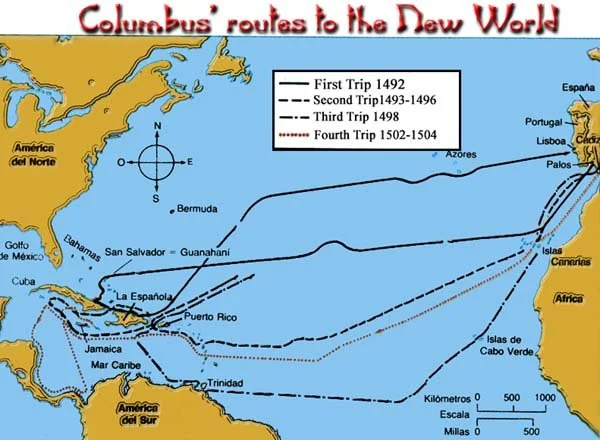
In 1986, the Columbus Foundation was formed in the British Virgin Islands with the goal of raising funds to construct replicas of the three ships Christopher Columbus used during his historic voyage to the New World: the Niña, Pinta, and Santa Maria. With the 500th anniversary approaching, the project seemed perfectly timed to spark renewed interest in maritime history. While the quincentennial later became controversial for some, the Foundation’s mission remained clear — not to celebrate or condemn, but to seek historical accuracy.
No authentic images of Columbus’s ships exist. Previous models and reproductions were based largely on artistic interpretation rather than evidence. Determined to create a true replica, the Foundation spent the next two years conducting extensive research. Due to time and funding limitations, the decision was made to build only one ship — the Niña.
The Santa Maria, a larger cargo ship (nao) built in Galicia, ran aground and sank during the first voyage. Columbus himself described her as heavy and poorly suited for exploration. The Pinta largely disappeared from historical records after the first voyage. The Niña, however, was a caravel, a versatile vessel widely used during the Age of Discovery.
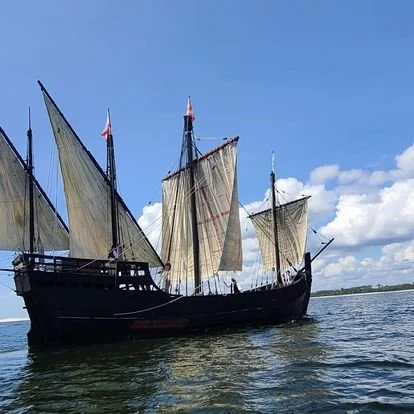
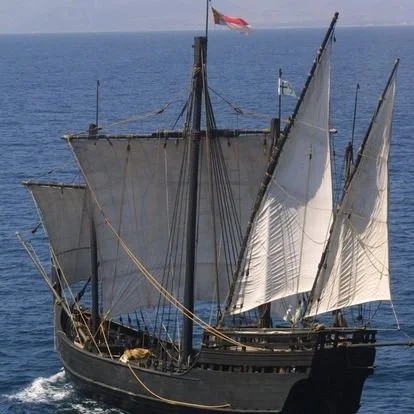
Caravels were fast, maneuverable, shallow-draft ships used for trade, exploration, warfare, and even piracy. The Niña was rigged as a Caravela Redonda, featuring square sails on the main and foremast for downwind sailing and lateen (triangular) sails on the mizzen masts for maneuverability.
Caravels played a major role in Portuguese and Spanish exploration. They charted the African coast, carried Columbus on all four voyages, were used by Vasco da Gama, and accompanied Magellan’s expedition. Their golden age lasted from the early 1400s to the 1530s, before larger galleons replaced them for transatlantic trade and warfare.
Columbus personally favored the Niña. She completed the entire first voyage and safely returned him to Spain. On his second voyage, Columbus selected her as flagship from a fleet of seventeen ships and even purchased a half interest in her. Over the years, the Niña endured pirate attacks, unauthorized voyages, and multiple Atlantic crossings, logging more than 25,000 miles under Columbus’s command.
AUTHENTIC SHIPBUILDING
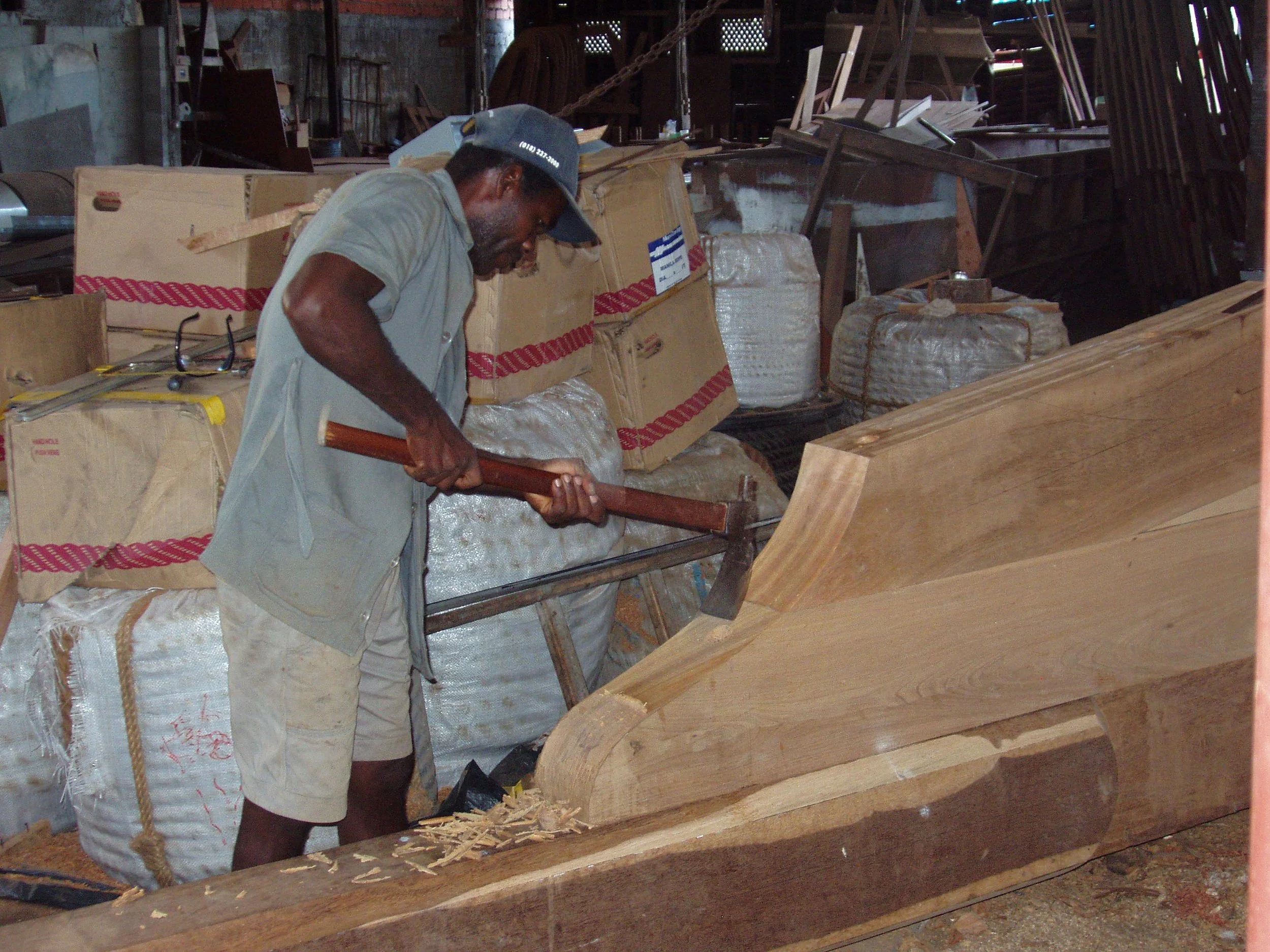
In 1988, the Columbus Foundation hired John Patrick Sarsfield, an American engineer and maritime historian specializing in Portuguese caravels, to design and build the replica. Sarsfield had previously lived in Brazil with the Peace Corps, where he learned about an ancient shipbuilding method known as Mediterranean Whole Moulding — a 15th-century technique likely used to construct the original ships.
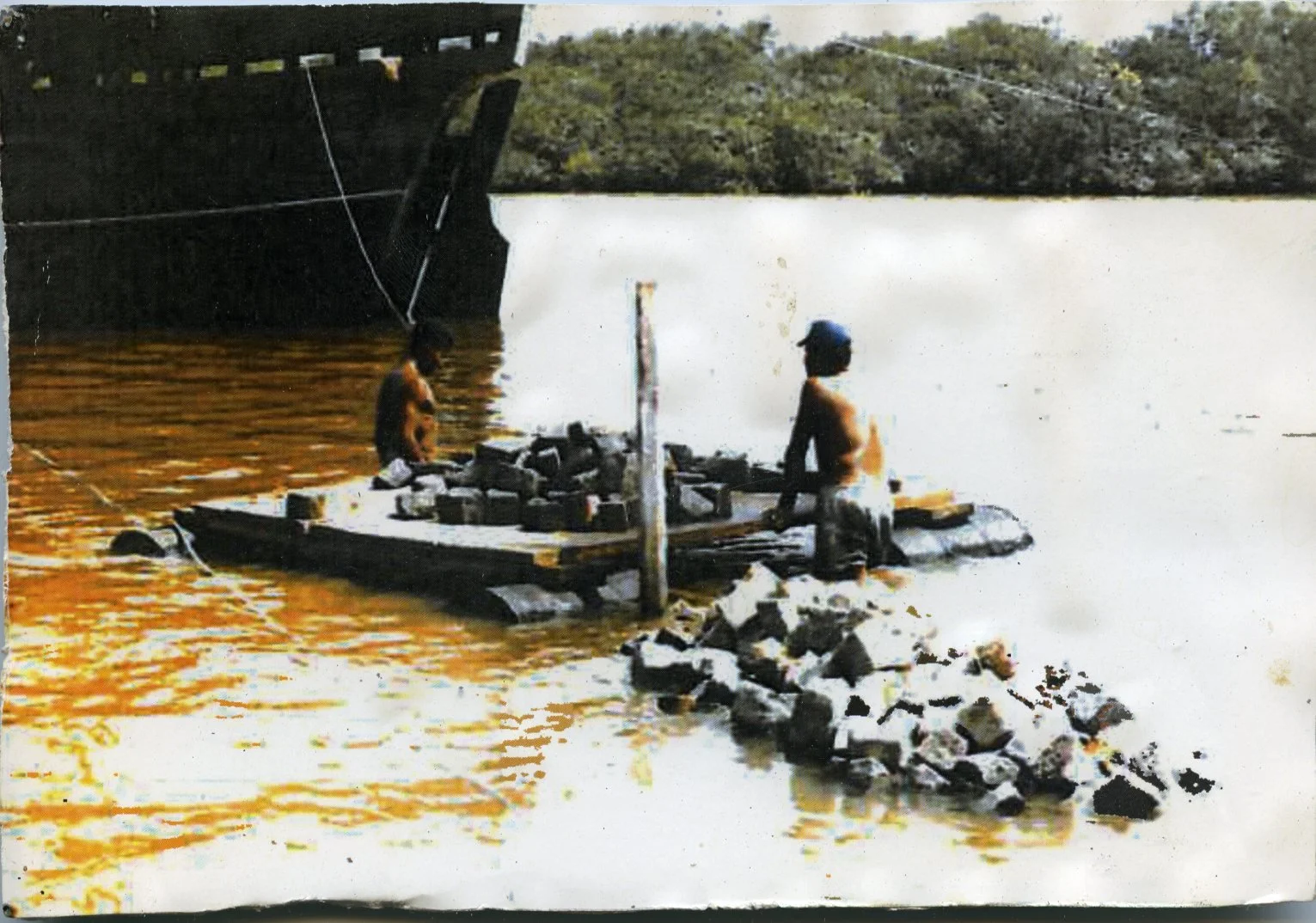
Sarsfield discovered that this method was still being practiced in the fishing village of Valença, Brazil. Gaining the trust of local shipwrights, he learned their traditional techniques firsthand. Valença was selected as the construction site for three reasons:
1. Shipwrights still used Whole Moulding and geometric measuring tools called graminhos.
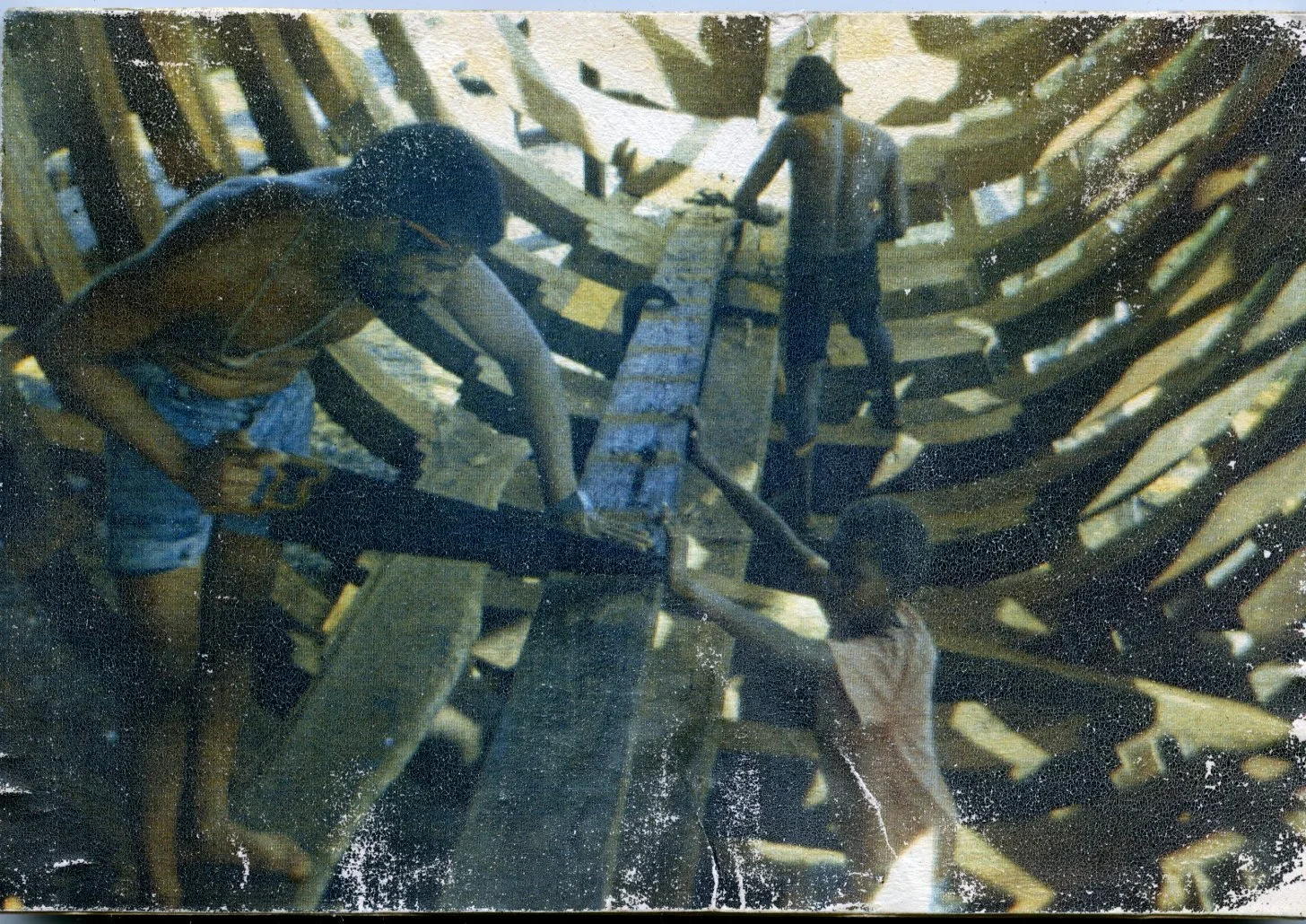
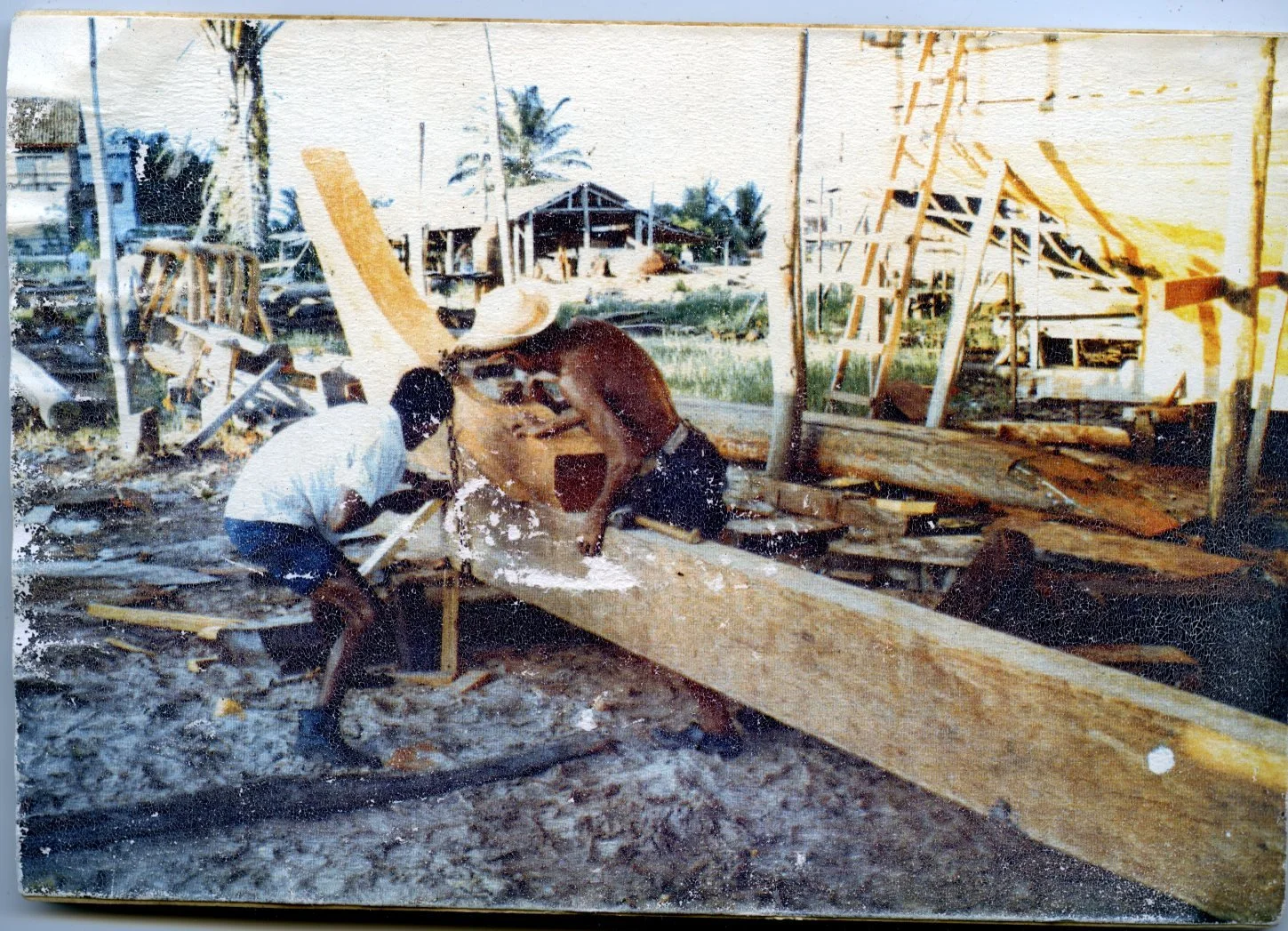
2. Traditional hand tools such as axes, adzes, chisels, and saws were still in use.
3. Bahia’s tropical forests provided naturally curved timbers essential for wooden ship construction.
Ships of this era were not built from blueprints but from the mental templates of master shipbuilders, who relied on proportional measurements based on keel length. Archaeological discoveries of 15th and 16th century shipwrecks helped refine design details such as mast number and rigging configuration.
A TRAGIC LOSS
Tragically, on July 11, 1990, John Sarsfield was killed in a traffic accident while selecting a main mast for the Niña. His passion and determination made this project possible.
With the hull complete but the ship still unrigged, British maritime historian Jonathan Nance was asked to finish the vessel. Drawing from Sarsfield’s plans and the historic Libro de Armadas document (discovered by Eugene Lyon), Nance developed an accurate sail plan. This 1498 inventory detailed the Niña’s equipment and suggested she may have been a four-masted vessel.
Nance’s final design reflects how the Niña would have appeared during the busiest years of her service following her departure from the Canary Islands in 1492.
HISTORIC VOYAGE
In December 1991, the Niña departed the Rio Uno in Valença, Brazil, crewed by eleven sailors. She sailed more than 4,000 miles unescorted across open ocean to Puntarenas, Costa Rica, arriving January 23, 1992.
This marked the first successful long-distance ocean crossing by a replica discovery caravel. She later appeared in Ridley Scott’s film 1492, starring Gerard Depardieu.
Marine archaeologists from Ships of Discovery inspected the vessel and published their findings in Archaeology Magazine (January 1991), calling it:
“Likely the most authentic replica of a Columbus-era ship ever built.”
LIFE ABOARD THE NIÑA
Life aboard the original Niña was extremely difficult. The cargo hold was packed with food, water, weapons, and live animals — including horses, cows, pigs, and chickens. Larger animals were suspended in slings to prevent broken legs in rough seas.
With little space below deck, the 27 crew members slept on the wet decks or atop coils of rope. Cooking was done in a firebox on the bow. Conditions improved in the New World when fresh produce reduced scurvy and hammocks — learned from native populations — replaced deck sleeping.
Modern life aboard the replica Niña is far more comfortable. Today’s crew enjoys:
6 Bunks for sleeping, fridge, freezer, AC, head & propane Stove.
THE PINTA
The Pinta, the second ship in the fleet, was launched on February 25, 2005, also in Valença, Brazil. Built 15 feet longer and 6 feet wider than the Niña, she was designed to accommodate more visitors and continues the mission of historical education.
FREQUENTLY ASKED QUESTIONS
What will I see on the tour?
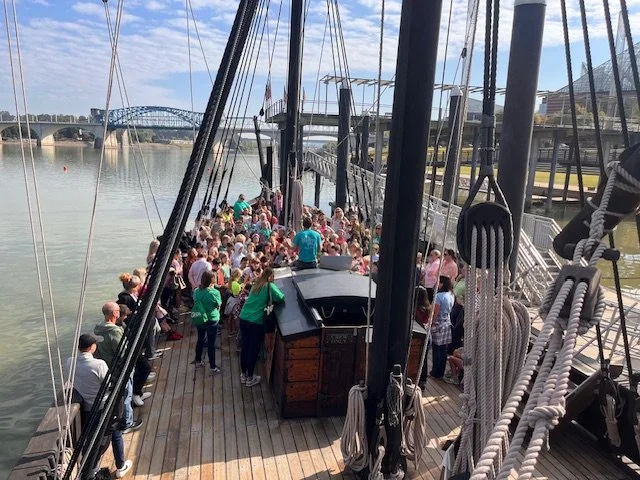
When you step aboard, you will be whisked back in time, surrounded by the design and materials of the historic caravel. Being floating museums, there are also exhibits on each ship highlighting the history of the Age of Discovery, navigation of the era, how the ships were built and a taste of what life was like over 500 years ago.
Do the tours include areas below deck?
No, down below is not open to the public because it is present day crew quarters. The crew quarters on both ships are partially visible.
Are there restrooms?
No facilities are available aboard the ships. Each port we go to is different, but usually there are facilities nearby,
Are the ships handicapped accessible?
The ships are not wheelchair accessible. However, our visitors in wheelchairs are invited to come view the ships as close as they can safely with a companion free of charge. Some small walkers, and crutches can be used on the ships. Once aboard, there are places to sit.
Do you have a replica of the Santa Maria?
The Santa Maria was a different type of ship, known as a "Nao" and considerably larger than the Caravels The Nina & Pinta. The biggest operational difference between the two designs is the draft. The Santa Maria would require 14 feet of water depth, where the Nina & Pinta only draft 7 feet. A Santa Maria replica would not be able to travel to many places where The Nina and Pinta visit.
Do the ships take people out sailing?
The ships are floating museums, and remain tied to the docks for the duration of their stay in port.
Are the ships the exact size as the originals?
The Nina is an exact replica. She is regarded as the most accurate reproduction ever constructed. The Pinta was built 15 feet longer and 8 feet wider than the original, so she can accommodate more people, and be used for dockside charters/events.
What is your purpose?
The Sanger Ships LLC's aim is to educate the public on the type of ship, the "caravel", that Columbus used to discover a new world in the year 1492. Columbus made 4 voyages totaling 12 years on ships like these. We take great pride in displaying and maintaining the only traveling replicas in existence today.
How are the Ships funded?
Sanger Ships LLC receives no funds from government agencies or private foundations.
We are supported entirely by the fees paid to tour the ships.
Are both ships available to visit?
Yes, your ticket allows you aboard both ships.
I'm coming to see the ships with just my family. Do I need a reservation?
Unscheduled, self-guided tours are available any time during our open hours. Groups of 15 or more must make advanced reservations. Media representatives are encouraged to contact us in advance, to be sure we optimize your time.
Are pets allowed?
Dogs are welcome as long as they are well behaved and leashed . Service pets are always welcome.
Where do you travel?
We travel the Gulf Coast, the East Coast, the Great Lakes, and the Midwestern River System.
Are baby scrollers allowed?
Scrollers cannot make it onboard due to stairs and narrow ramps but can be parked next to Ships on the dock.
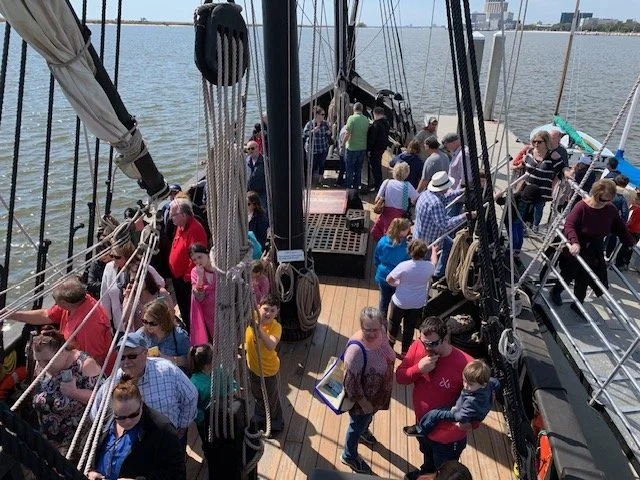
SELF GUIDED TOURS IN BILOXI, MS
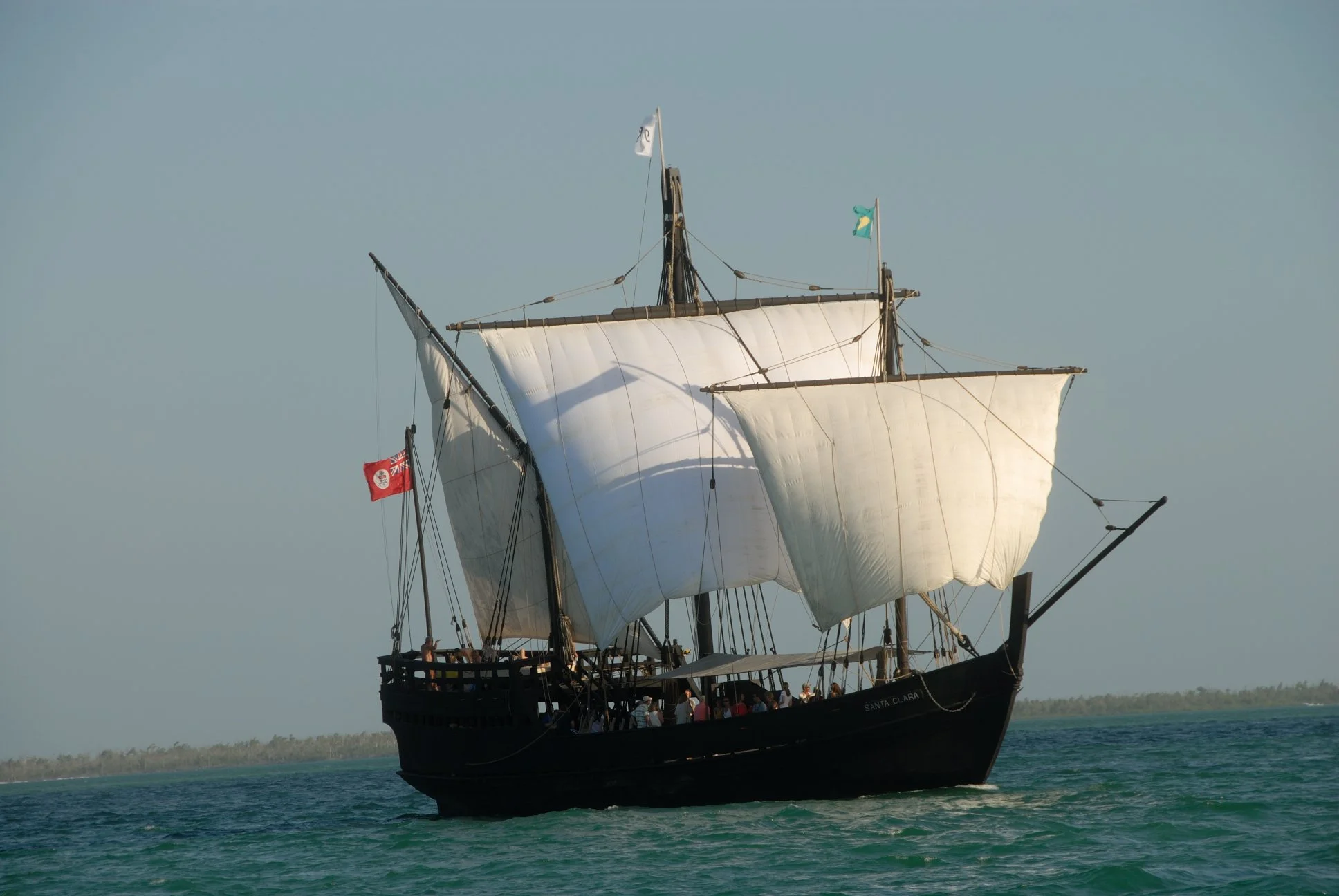
PINTA UNDER SAIL IN BRITISH VIRGIN ISLANDS.
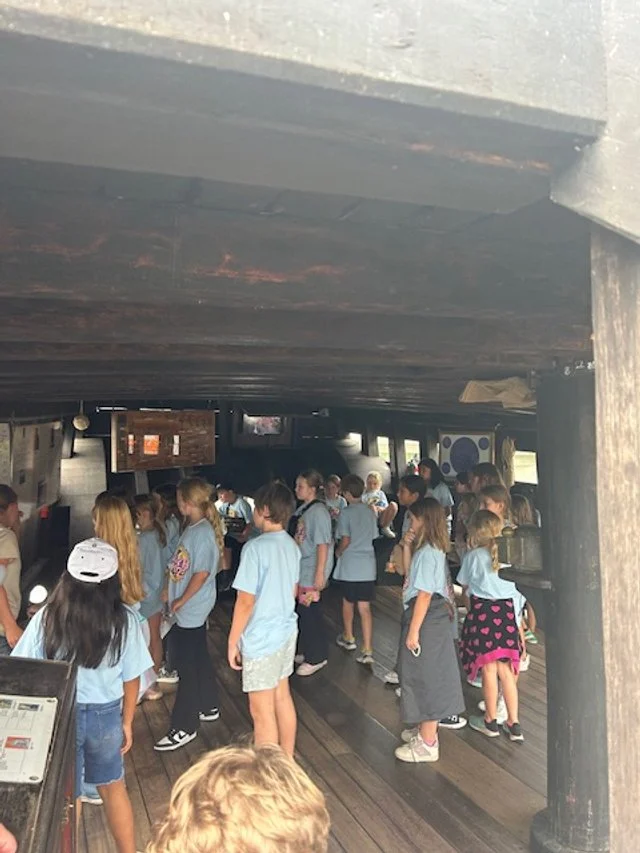
GUIDED TOUR IN STERN OF PINTA.
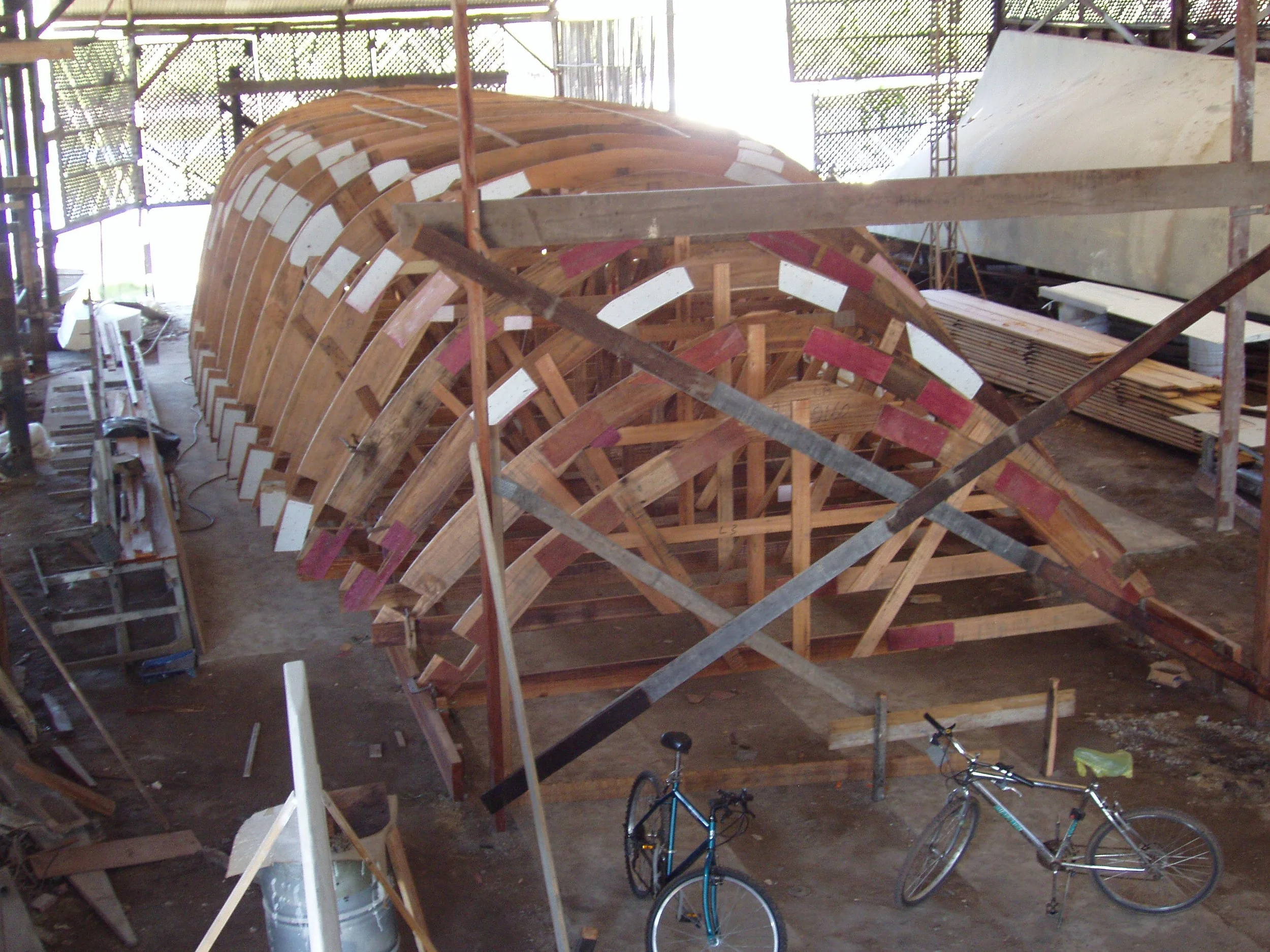
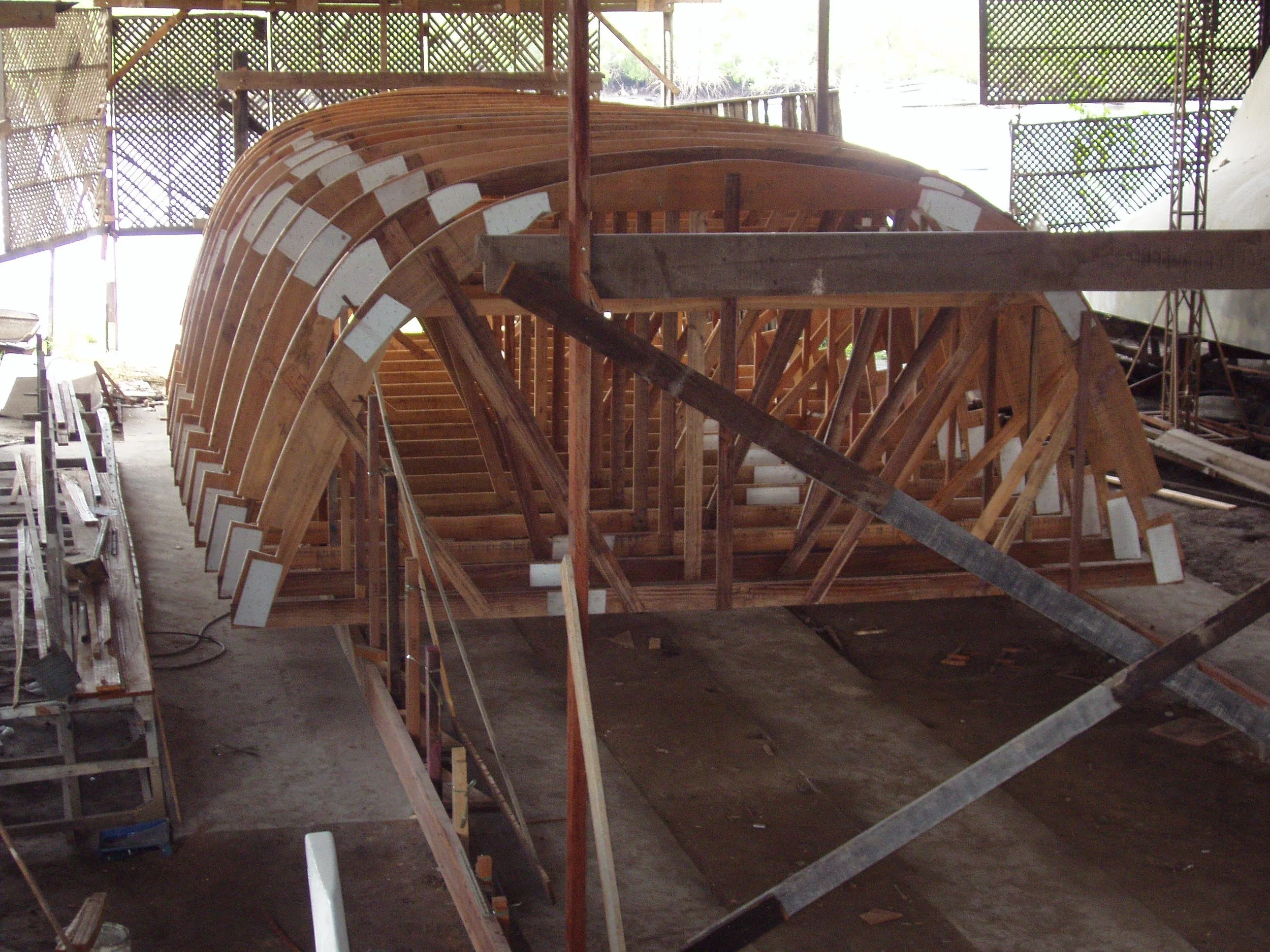
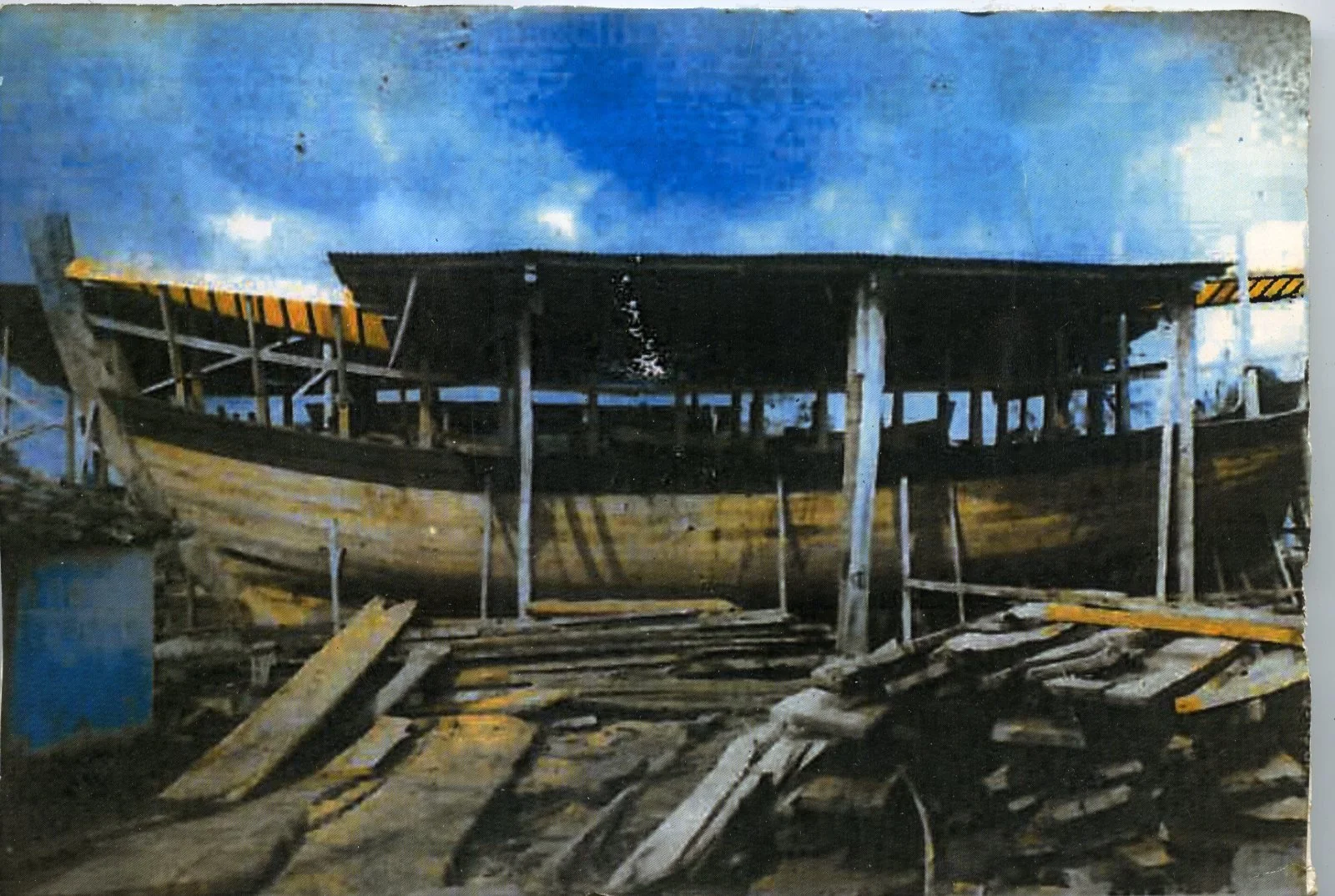
PINTA HULL.
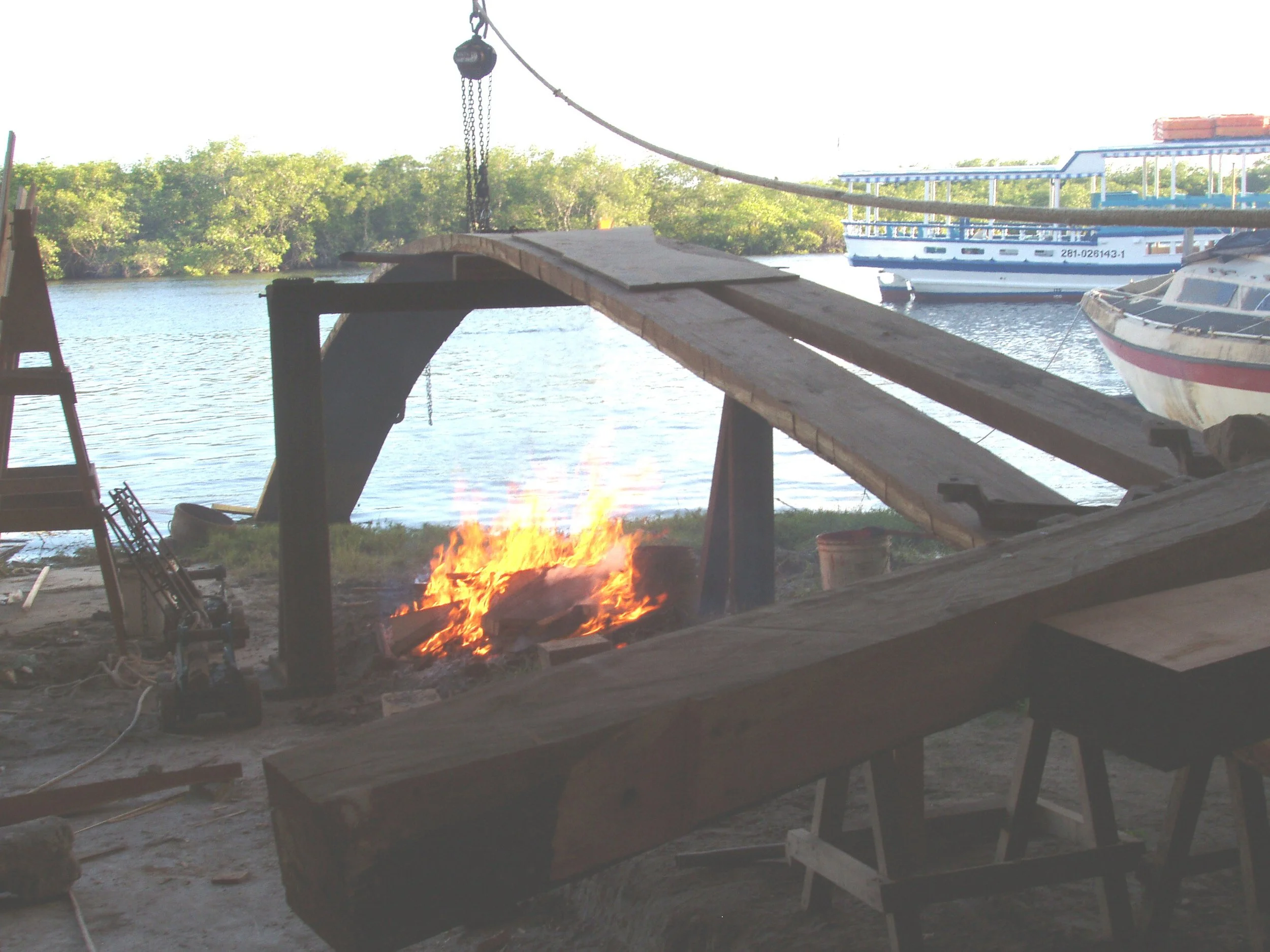
BENDING OF THE WOOD OVER FIRE.
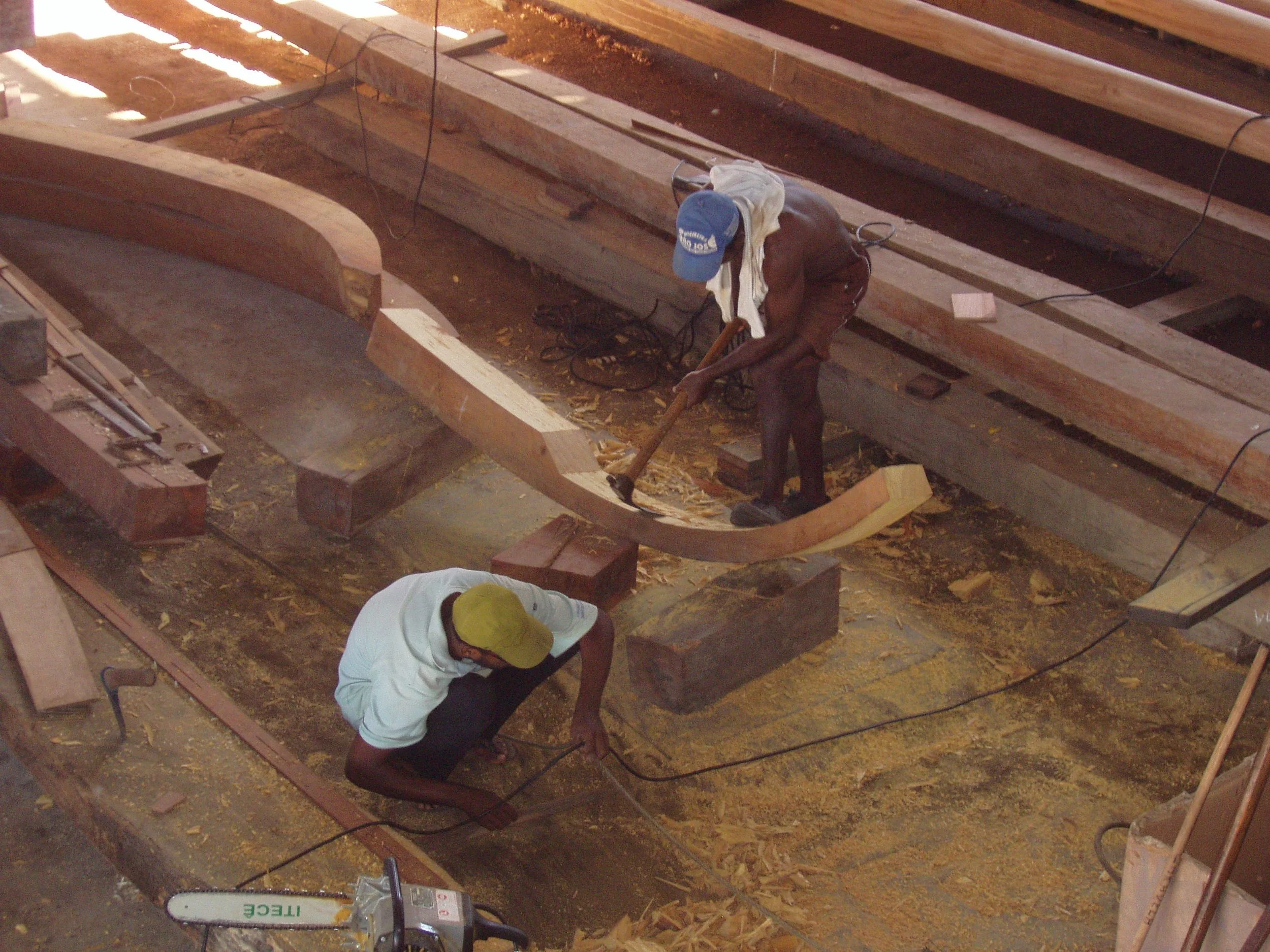
SHIPWRIGHTS USING HAND TOOLS TO SHAPE WOOD.
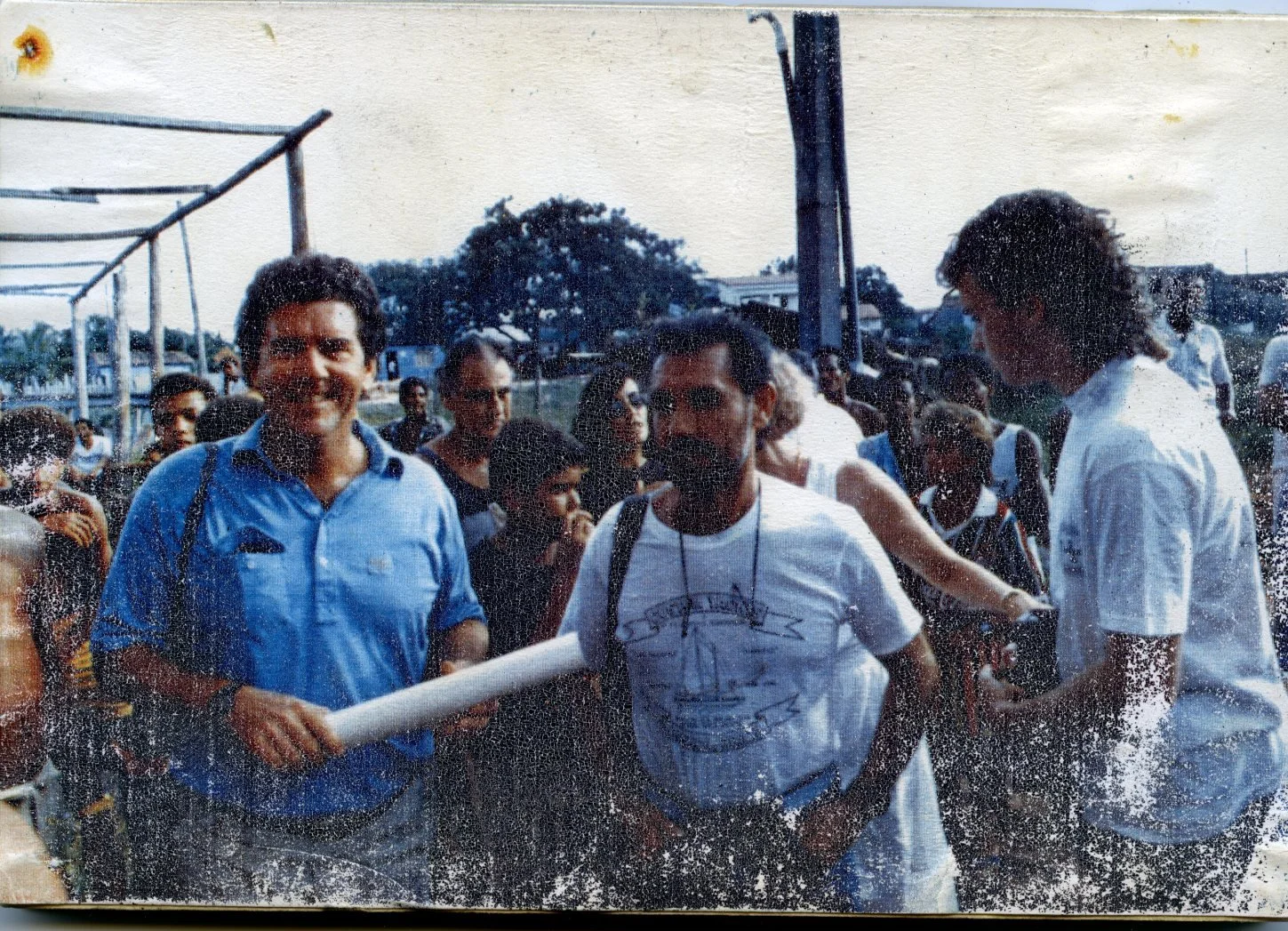
CAPTAIN MORGAN SANGER ON THE LEFT FOUNDER OF THE COLUMBUS FOUNDATION.
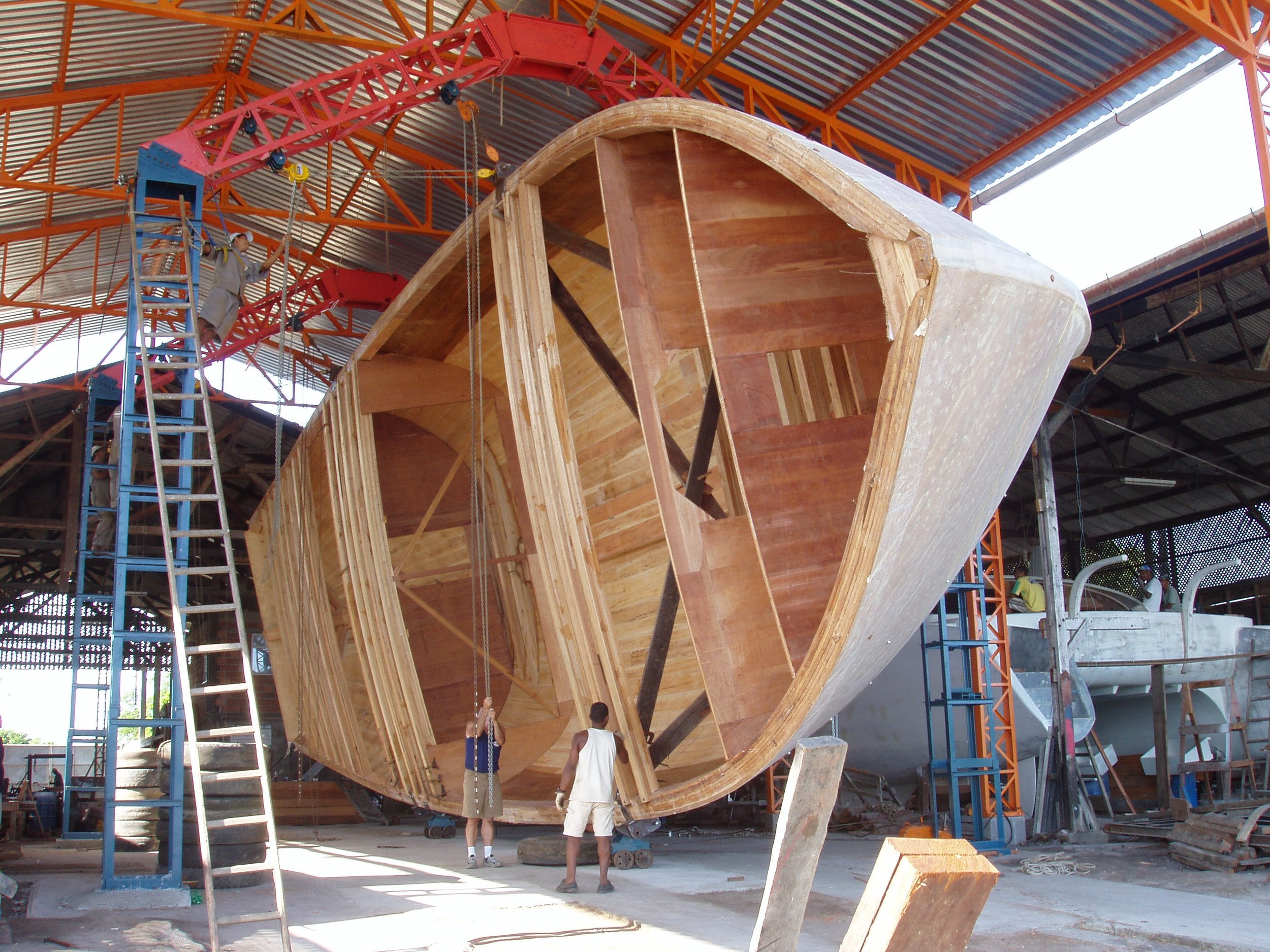
PINTA HULL BEING ROTATED.
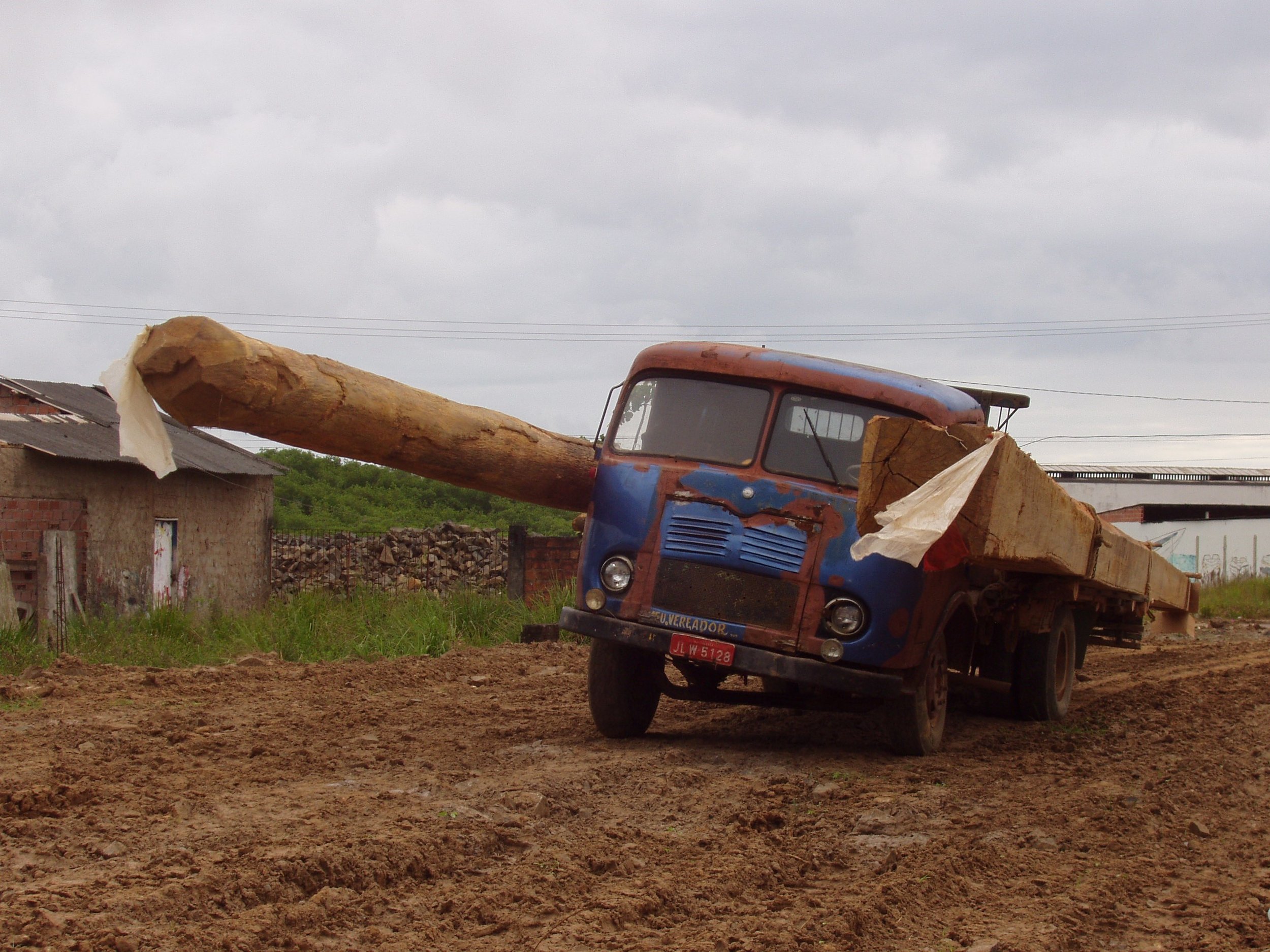
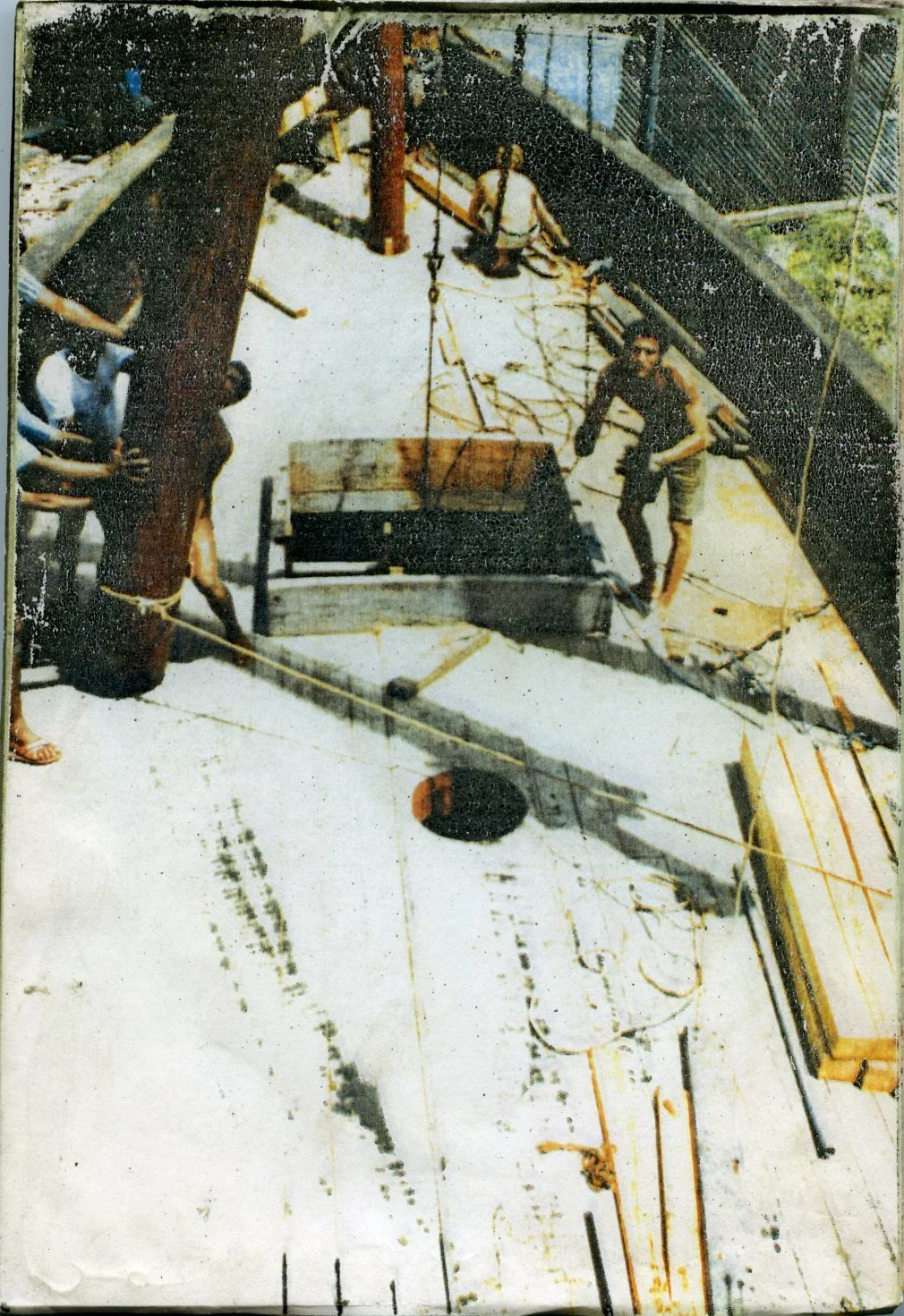
MAIN MAST BEING TRANSPORTED TO NINA.
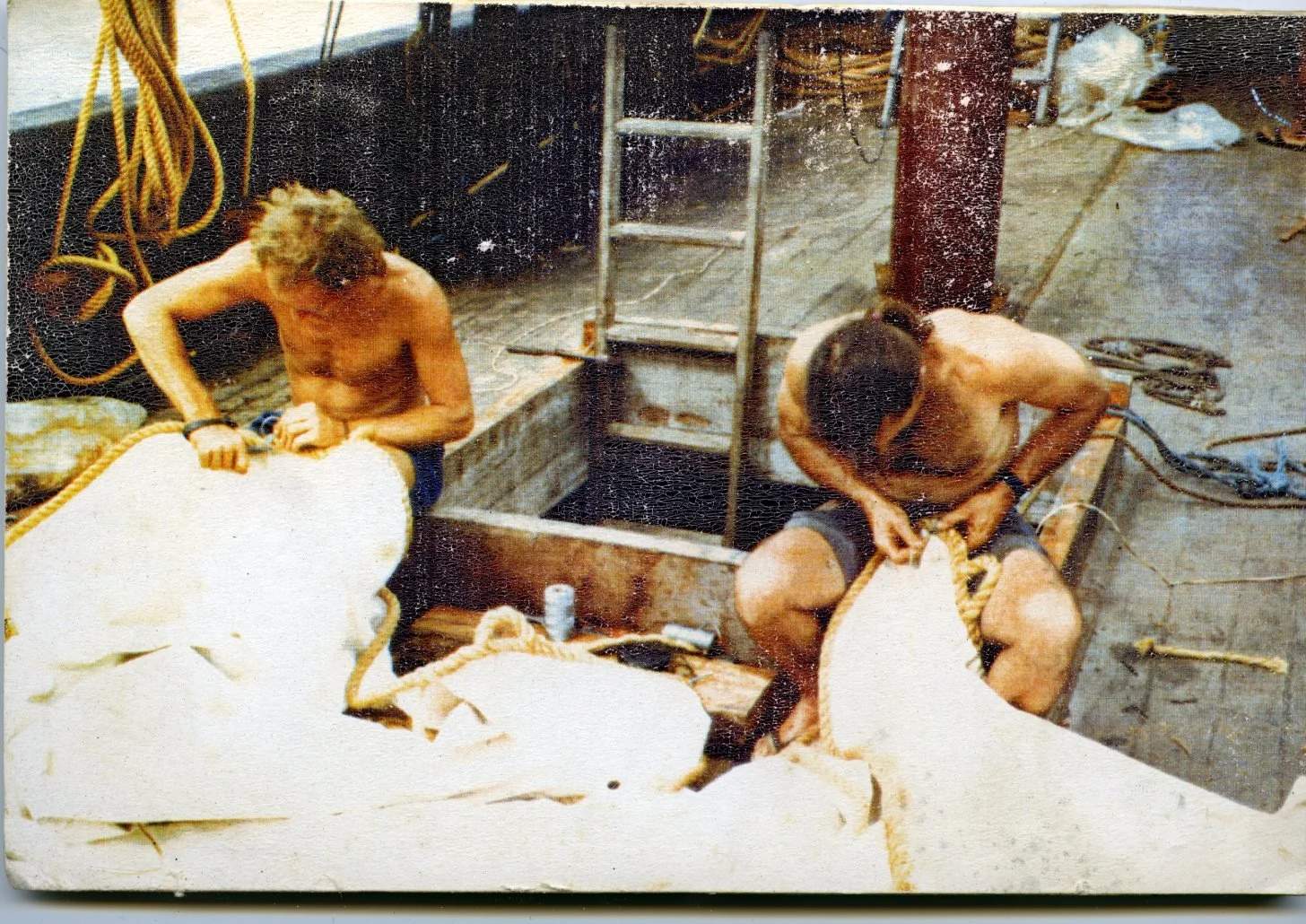
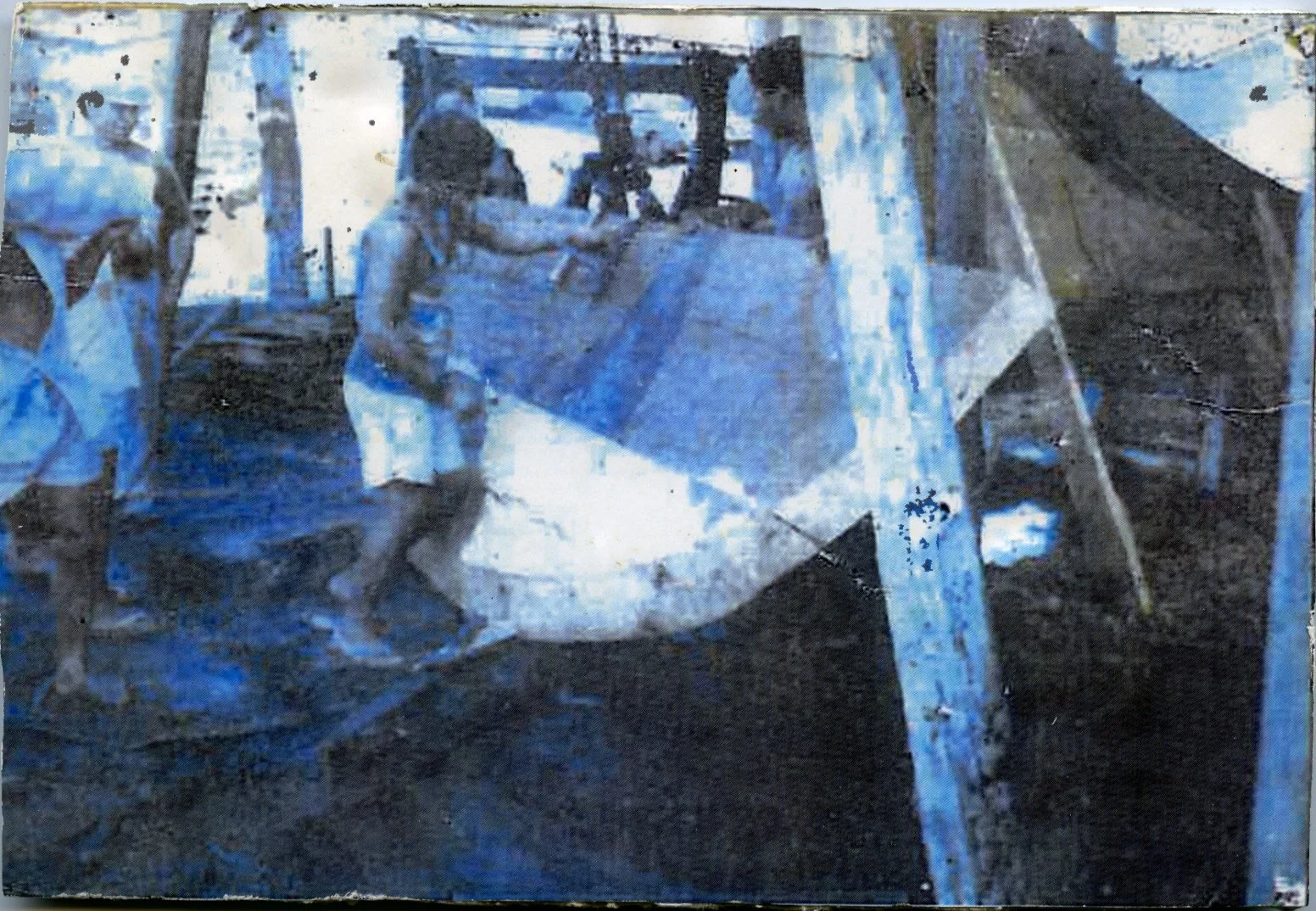
SHIPWRIGHTS STITCHING MAIN SAIL OF NINA.
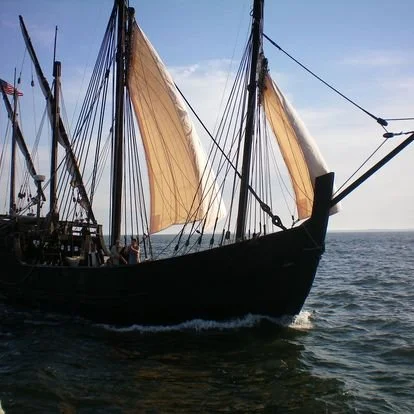
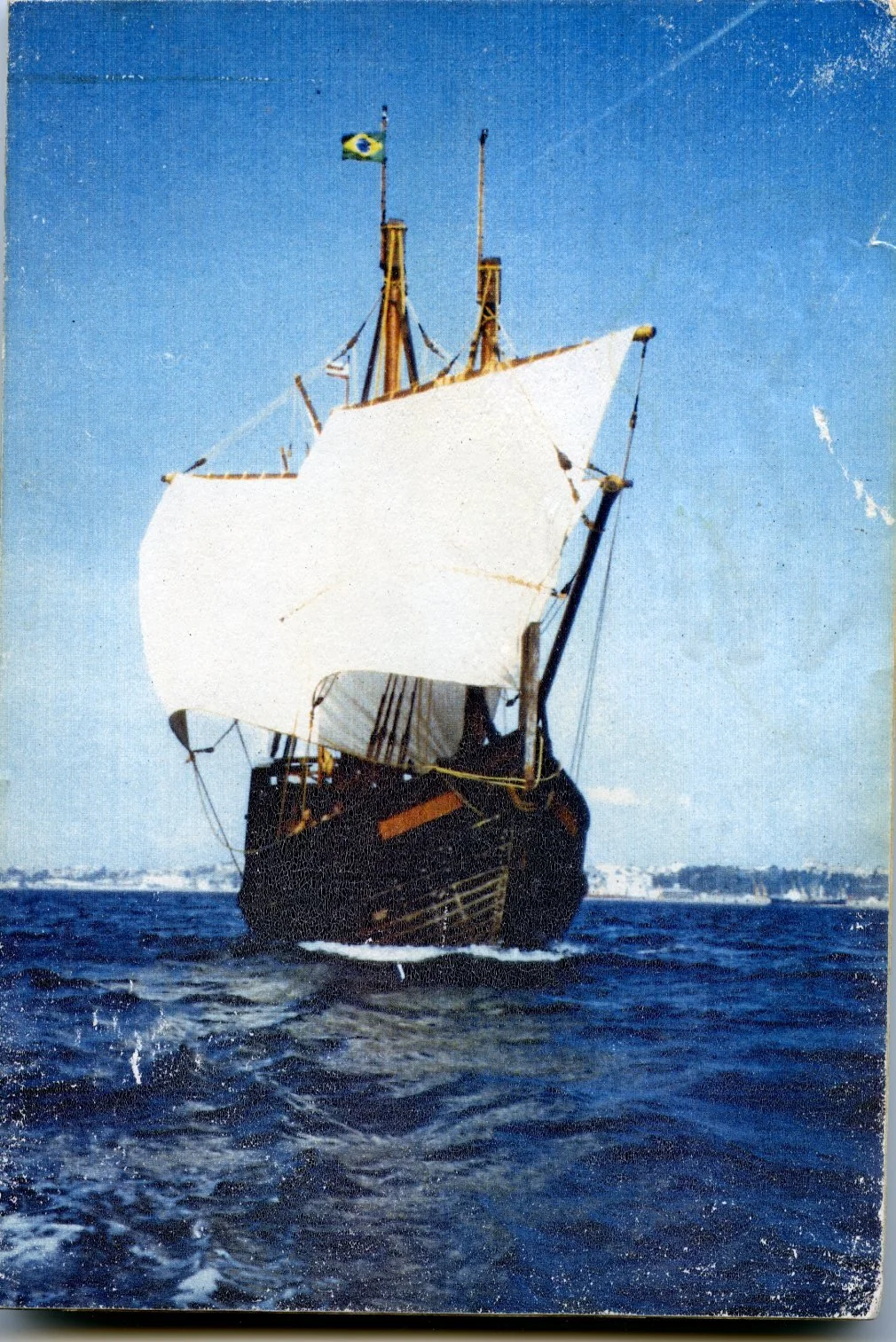
NINA UNDER SAIL IN GULF OF MEXICO.
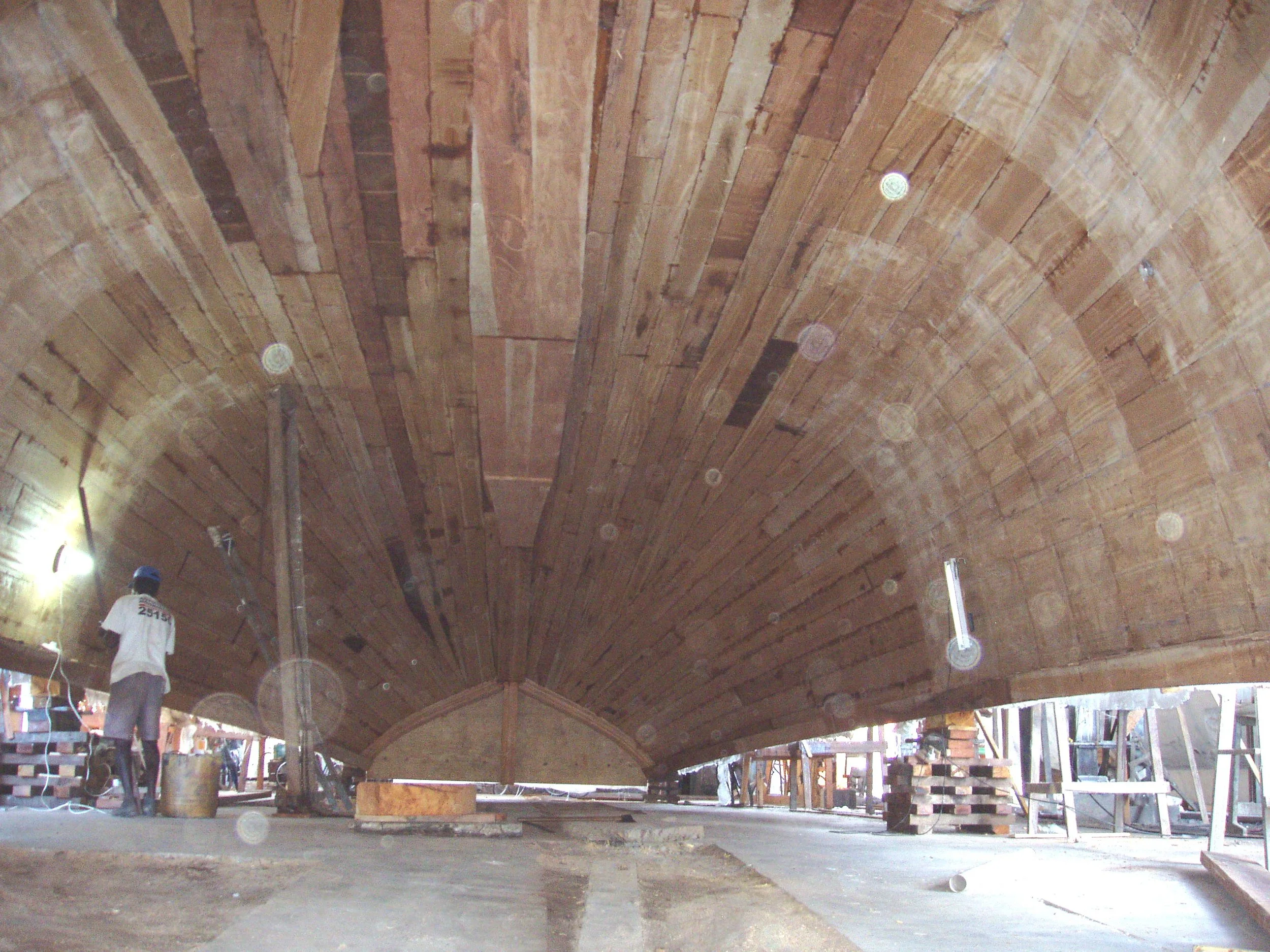
PINTA HULL UPSIDE DOWN.
“Twenty years from now you will be more disappointed by the things you didn’t do than by the ones you did do. So throw off the bowlines . Sail away from the safe harbor. Catch the trade winds in your sails. Explore. Dream. Discover."